Category Archives: Uncategorized

How to Recognize and Manage Parental Anxiety to Nurture Your Child’s Well-Being

How to Recognize and Manage Parental Anxiety to Nurture Your Child’s Well-Being

By Lacie Martin

Christian parents with anxiety often carry a quiet tension: keeping faith steady while worries about safety, schedules, screens, and the future keep humming in the background. Even when love is strong and intentions are good, that stress can leak into tone, routines, and reactions, shaping the parent-child relationship in ways no one means for it to. Over time, the parental anxiety impact can show up in children’s emotional well-being, more vigilance, more reassurance-seeking, or a sense that home feels unsettled. Noticing these patterns early protects family mental health.

Understanding Parental Anxiety at Home

Parental anxiety is more than caring a lot. It is a steady undercurrent of worry that shapes how you interpret risk, handle uncertainty, and respond to your child. Over time, that worry can become part of your home’s emotional “weather,” similar to family-induced anxiety, a persistent sense of concern that is not tied to one event.

This matters because kids learn what “normal” feels like by watching you. Even with strong faith and good intentions, anxious patterns can pass down through what gets avoided, what gets controlled, and what needs constant checking. Since anxiety disorders in childhood can harm social and academic growth, early awareness protects both peace and thriving.

Picture a parent who prays sincerely, yet keeps scanning for danger, correcting small choices, and asking for repeated updates. The child may start reading everyday life as risky and needing reassurance. Love is present, but anxiety quietly sets the pace. With this clear, you can spot child anxiety signs and respond with calm, shame-free communication and simple stress tools.

Use a 7-Sign Check-In to Spot Anxiety in Kids

Anxiety in families often shows up quietly, through bodies, routines, and tone, long before a child has words for it. A simple check-in helps you notice patterns early and respond with steadiness instead of shame.

  1. Do a 7-Sign Check-In (Body, Sleep, Belly, Behavior, School, Social, Spirit): Once a day for a week, scan these seven areas for changes: headaches or tension, trouble falling asleep, stomachaches, irritability/tears, school avoidance, clinginess or withdrawal, and fear-heavy thoughts about God or safety. Jot a quick note like “Belly: complained before school” or “Social: didn’t want a youth group.” Anxiety is common enough that it’s worth taking seriously, one meta-analysis found anxiety symptoms in children at 20.5% globally.
  2. Separate “big feelings” from “bad behavior” before you correct: When a child melts down, ask yourself, “Is this defiance, or dysregulation?” Address safety and boundaries, but lead with regulation: get low, soften your voice, and name what you see: “Your body looks worried right now.” This works because kids borrow your nervous system; calm authority tells their brain the world is still safe.
  3. Use a 90-second parent pause to catch your own anxiety spillover: If you feel the urge to lecture, fix, or control, pause and do three things: put a hand on your chest, take 6 slow breaths, and pray a one-line prayer like, “Lord, give me wisdom and peace.” This interrupts the anxious family cycle described earlier, where your fear quietly sets the emotional weather in the home.
  4. Ask two questions that open emotional communication: Try “What’s the hardest part of today?” and “What would help you feel 10% safer?” Keep it short and concrete; you’re gathering clues, not interrogating. If your child shrugs, offer choices: “Is it your body, a thought, or a situation?” You’re teaching that feelings can be named without being feared.
  5. Coach one coping skill in the moment (then practice when calm): Pick one tool, box breathing (4–4–4–4), a short walk, or “tighten-relax” muscles, and practice it for 2 minutes during a calm time. When anxiety hits, prompt the exact same skill: “Let’s do four box breaths together.” Repetition builds confidence because your child learns, “I can feel scared and still cope.”
  6. Watch for “doom messaging” and replace it with truthful reassurance: If your child constantly expects worst-case outcomes, check your own language: frequent warnings, catastrophizing, or rushed urgency can teach the world is unsafe. One reminder from parents for their children is that kids often interpret parental anxiety as proof danger is everywhere. Practice swapping “Be careful, you’ll get hurt” with “Let’s notice risks and choose wisely.”
  7. Choose one small, measurable support step for the week: If school is the hotspot, email the teacher for one accommodation like a predictable morning check-in. If bedtime is the hotspot, set a 10-minute wind-down with the same three steps: wash, read, pray. Small structure reduces uncertainty, and it gives you a calm, repeatable rhythm your child can lean on.

Daily and Weekly Habits That Calm the Home

Small, practiced habits lower the “anxiety volume” over time and help you lead from faith instead of fear. For Christian parents, these routines make space to notice, pray, and respond with wise love even on hard days.

Morning Peace Reset
  • What it is: Pray one Scripture line, then choose one calm intention for today.
  • How often: Daily
  • Why it helps: It anchors your tone before stress sets the pace.
Name the Fear, Bless the Truth
  • What it is: Say, “My worry says ___; God’s truth says ___,” out loud.
  • How often: Daily
  • Why it helps: It separates anxious thoughts from faithful leadership.
Two-Minute Family Regulation Practice
  • What it is: Practice one mindfulness demonstration like breathing or body scan together.
  • How often: 3 times weekly
  • Why it helps: Kids build self-control through repetition, not lectures.
Repair Before Bed
  • What it is: Apologize for anxious reactions, then reconnect with a short blessing.
  • How often: Nightly
  • Why it helps: Repair restores safety and models humility.

Common Questions About Parental Anxiety at Home

Q: How can I tell if my anxiety is negatively affecting my child’s emotional health?
A: Notice patterns like your child becoming extra clingy, irritable, perfectionistic, or unusually quiet around your moods. If you are often snapping, withdrawing, or controlling to reduce your own discomfort, your anxiety may be shaping their sense of safety. It can help to ask a simple check-in question daily: “What felt hard today, and what helped?” If you feel stuck, remember many parents feel overwhelmed at times, so support is a wise step, not a failure.

Q: What are practical steps I can take to create an open and safe environment for my children to share their feelings?
A: Choose one predictable time to talk, like in the car or at bedtime, and keep your first response calm and curious. Reflect what you hear before you correct anything: “It makes sense that you felt that way.” Set a family rule that feelings are welcome, while hurtful actions are not. Pray briefly with them, asking God for help to speak truth with gentleness.

Q: How do I model healthy coping mechanisms for stress in a way that my children can learn from?
A: Say your coping plan out loud in simple language: “I feel tense, so I am going to breathe, pray, and take a short break.” Let them see you repair after a hard moment, including a clear apology and a specific change you will try. Keep coping visible and brief so it feels doable, not dramatic.

Q: What self-care strategies are most effective for parents struggling with overwhelming anxiety?
A: Start with basics that calm your body: consistent sleep, regular meals, and a daily walk or stretch. Add one spiritual anchor you can keep, such as one Psalm, one honest prayer, and one gratitude note each day. If anxiety causes panic, constant checking, or you cannot function well, consider talking with a counselor or your doctor. Asking for help can be an act of stewardship, not shame.

Q: If I’m balancing multiple responsibilities while managing my anxiety, how can I plan and organize support systems to better handle my family and personal challenges?
A: Map your support in three circles: immediate household tasks, trusted friends or church community, and professional help like childcare, counseling, or workplace options. Pick two “pressure release” contacts you can text before you hit your limit, and decide what you will ask for in one sentence. Schedule support the way you schedule appointments, check this out for a quick look at how support systems can be organized, because stress spikes are predictable when you are overloaded. A simple guide is to think of the family, involving everyone in what help looks like.

Taking One Gentle Step Toward Calmer, Hopeful Parenting

Parental anxiety can make everyday moments feel high-stakes, leaving little room for joy or connection. The way forward is a steady posture of awareness, support, and faith, pairing practical help and supportive parenting encouragement with the humility to trust God with what can’t be controlled. Over time, that mindset opens the door to hope in parenting, emotional healing for families, and positive family growth, and many anxiety recovery stories begin with small, repeated choices rather than perfect days. Anxiety doesn’t get the final word in your home. Choose one next step this week, schedule a check-in with a trusted support person or professional, and name one self-care practice you’ll protect. These small acts of courage build a steadier, more resilient family story for the days ahead.

 

Unlocking Peace and Productivity as Busy Parents

(Image: Freepik)

In the whirlwind of parenting, maintaining an organized and serene household can seem like a daunting task. However, with the right strategies and tools, it is possible to create a harmonious living space without breaking the bank. This article shared by Janice Russell is a treasure trove of practical, cost-efficient tips designed specifically for busy parents who aspire to balance the chaos of daily life. Discover how prioritizing, embracing technology, and simple organization hacks can revolutionize your home dynamics, offering peace of mind and a well-ordered environment for your family.

Chart Your Family Priorities Clearly

Begin your organizational journey by clearly delineating your family’s priorities. Having a visible, well-articulated set of goals helps in aligning your daily actions with your long-term aspirations. This clarity not only fosters a sense of purpose within the family but also streamlines decision-making, ensuring that your energy is invested in activities that truly matter. Regular family meetings to revisit these priorities can also reinforce commitment and ensure everyone is on the same page.

Harness the Power of Technology

Technology can be a busy parent’s best ally in staying organized. From budgeting apps that keep your finances in check to calendar apps that synchronize the entire family’s schedule, the digital world offers a plethora of tools. Embrace these resources to automate mundane tasks, set reminders for important events, and manage your time more effectively. With the right apps at your fingertips, managing household tasks becomes less of a chore and more of a breeze.

Contact with Home Repair Professionals

Using a helpful app to connect with home repair and maintenance professionals directly from your smartphone can greatly simplify the process of maintaining your home. These apps not only allow you to find and hire trusted professionals quickly but also let you track the progress of your projects in real-time. You can also get valuable advice and tips on home repair directly through the app, ensuring your home is well-maintained and any issues are addressed promptly. This convenience makes managing home repairs and maintenance more efficient and less stressful.

Empower Kids with Chore Charts

Chore charts are a fantastic way to teach children responsibility and contribute to household maintenance. Tailor chores to be age-appropriate and rotate them to keep tasks interesting. By involving children in the upkeep of the home, not only do you lighten your own load, but you also instill a sense of ownership and teamwork in your kids. This practice fosters independence and organizational skills that will serve them well beyond the home.

Collaborate in Pet Care

If you have pets, involve older children in their care. Sharing pet responsibilities not only eases your workload but also teaches children empathy, discipline, and the importance of routine. Establishing a pet care schedule can ensure that these tasks are carried out consistently, preventing any last-minute scrambles.

Optimize Space with Smart Storage Solutions

Utilize cost-effective storage solutions like over-the-door clear organizers and affordable shelving units to maximize space. By having a designated place for everything, you reduce clutter and make daily routines smoother. Investing time in organizing your space can have a transformative effect on the ambiance of your home, making it more inviting and functional.

Strategically Allocate Time for Organization

Dedicate specific time slots each week for organizing tasks. Whether it’s sorting mail, planning meals, or reviewing the family calendar, having a set time for these activities can prevent them from becoming overwhelming. Consistency in these efforts ensures that your home remains a well-oiled machine, with each family member playing their part in maintaining order and harmony. 

As the last toy is put away and the final document is digitally stored, the true essence of a well-organized home shines through. It’s not merely about the absence of clutter or the seamless management of schedules; it’s about the peace of mind that comes from knowing everything is in its place. It’s the collective sigh of relief when family life flows smoothly, and the joy in moments shared without the looming shadow of disarray. The journey to this serene state is paved with commitment, creativity, and collaboration, a testament to the power of unity and purpose in transforming a house into a harmonious home.


Keep Your Family Healthy

         Keep Your Family Healthy With This Resource Guide                                                                      by  Amanda Henderson

Photo via Pexels

In the post-pandemic era, instilling healthy habits in children has become increasingly vital. Fortunately, there are several actionable strategies you can use to establish a sturdy foundation for both physical and emotional well-being. By adopting these guidelines, you can better prepare your children for a future of balance and health. This in-depth guide offers parents a range of effective methods that they can use to help foster lifelong wellness in their kids.

Prioritize Physicality During Recreation

Active play is more than just a source of amusement; it’s a critical component of a child’s physical development. Activities like cycling, swimming, and simple games like tag are excellent ways to promote better physical health. These types of engagement also serve as a teaching ground for important social skills like teamwork and communication. Moreover, outdoor activities create opportunities for children to forge a meaningful connection with nature. Balancing these dynamic outdoor experiences with more sedentary indoor activities is essential for comprehensive child development.

Nurture Lifelong Learning

Encouraging children to follow their dreams not only builds confidence but also fuels intellectual curiosity. For instance, if your child shows a desire to help others, consider a potential solution with a degree in nursing and show them how to map out the steps they’ll have to take to get there. With a master’s degree in nursing, for example, you can pursue advanced clinical roles, specialize in areas like nurse education or administration, engage in research, or take leadership positions in healthcare settings.

You can even lead by example by earning an online degree yourself! Such actions not only inspire children but also help them realize the importance of higher education and professional growth. When children see their parents investing in learning, they’re more likely to value it, as well.

Address Mental Wellness Openly

Regular discussions about mental health should be as commonplace as conversations about physical well-being in a household. Creating a safe space where children can openly share their feelings and concerns fosters meaningful dialogue and encourages effective problem-solving. This approach ingrains emotional intelligence in children from a young age. As a result, the American Psychological Association notes that they acquire the tools needed to navigate stress anxiety, and other emotional challenges as they mature.

Strengthen Attentive Communication

Effective communication is more than just speaking; OurFamilyWizard points out that it hinges on the ability to listen actively. Validating your children’s emotions and viewpoints, even when they diverge from your own, strengthens the emotional connection between parent and child. This fortified bond promotes greater openness and transparency in your kids. Feeling genuinely heard boosts children’s self-esteem, laying the groundwork for their future mental well-being.

Opt for Wellness-Focused Products

Each home purchase presents a chance to prioritize health-conscious options. From the groceries in the pantry to the cleaning products in the cupboard, every item can either support or undermine family well-being. For instance, selecting ergonomic furniture can encourage proper posture, while choosing organic foods can minimize exposure to harmful pesticides. These mindful choices contribute to creating a living space that is conducive to both physical and mental health. In this way, the home becomes a sanctuary that actively supports the family’s overall well-being. Just be sure to read reviews from trusted sources before purchasing.

Empower Through Health Knowledge

Knowledge is power, and when children understand the importance of proper nutrition, regular exercise, and adequate sleep, they are more likely make informed choices. Parents should take the time to educate their children on these subjects, creating awareness that will benefit them in the long run. This step is particularly vital as children transition to adolescence and adulthood, where they’ll need to make independent decisions regarding their health.

Building healthy habits in children is not just a responsibility but an investment in their long-term happiness and success. Parents are the primary mentors in a child’s life; therefore, implementing these essential strategies and demonstrating an appreciation for knowledge and self-improvement will create a robust framework for their holistic development. Ensuring that children grow up with a balanced approach to physical and emotional health sets them on a path toward a fulfilling, balanced life.

Amanda Henderson is both a mom to two rambunctious boys and preschool teacher, so she knows from experience how quickly a situation can become unsafe. She created and writes for Safe Children to educate parents on how to keep their children safe while also having fun.

Mind Control

What is in our minds impacts our perspectives and actions. So I tend to pay extra attention when I see the word ‘mind’ in the Bible, where it occurs over 500 times. Lately I have been drawn to three such New Testament passages which, I believe, are critical for us to grasp.

Romans 12:1-18 – “Therefore, I urge you, brothers and sisters, in view of God’s mercy, to offer your bodies as a living sacrifice, holy and pleasing to God—this is your true and proper worship. Do not conform to the pattern of this world, but be transformed by the renewing of your mind. Then you will be able to test and approve what God’s will is—his good, pleasing and perfect will…Do not think of yourself more highly than you ought, but rather think of yourself with sober judgment, in accordance with the faith God has distributed to each of you.

colse-up photo of brown wooden doll

For just as each of us has one body with many members, and these members do not all have the same function, so in Christ we, though many, form one body, and each member belongs to all the others. Love must be sincere…Be devoted to one another in love. Honor one another above yourselves. Never be lacking in zeal, but keep your spiritual fervor, serving the Lord… Share with the Lord’s people who are in need. Practice hospitality…Rejoice with those who rejoice; mourn with those who mourn. Live in harmony with one another. Do not be proud, but be willing to associate with people of low position. Do not be conceited…if it is possible, as far as it depends on you, live at peace with everyone.”

Philippians 2:5-8 – “In your relationships with one another, have the same mindset as Christ Jesus: Who, being in very nature God, did not consider equality with God something to be used to his own advantage; rather, he made himself nothing by taking the very nature of a servant, being made in human likeness. And being found in appearance as a man, he humbled himself by becoming obedient to death—even death on a cross!”


Notice a common theme? The renewed mind, the mindset of Jesus, is servant oriented. The mind is filled more with thoughts of others than of self. Perhaps Jesus demonstrated it best in a third passage. “When he had finished washing their feet, he put on his clothes and returned to his place. “Do you understand what I have done for you?” he asked them. “You call me ‘Teacher’ and ‘Lord,’ and rightly so, for that is what I am. Now that I, your Lord and Teacher, have washed your feet, you also should wash one another’s feet. I have set you an example that you should do as I have done for you. Very truly I tell you, no servant is greater than his master, nor is a messenger greater than the one who sent him. Now that you know these things, you will be blessed if you do them”” (John 13)

Neither John nor Jesus use the word ‘mind’ but it is clear Jesus is encouraging His disciples to share His servant mindset.

I wonder: What our churches would be like of this was our mindset? For that matter, what would our families, neighborhoods, communities, and workplaces be like? What would our politics look like? Keep this in mind – it begins with us.

Let’s End It!

Not only does it never stop – it increases. Our society’s decrease of civility has become more than a snowball rolling downhill; it’s now like an avalanche. (1)

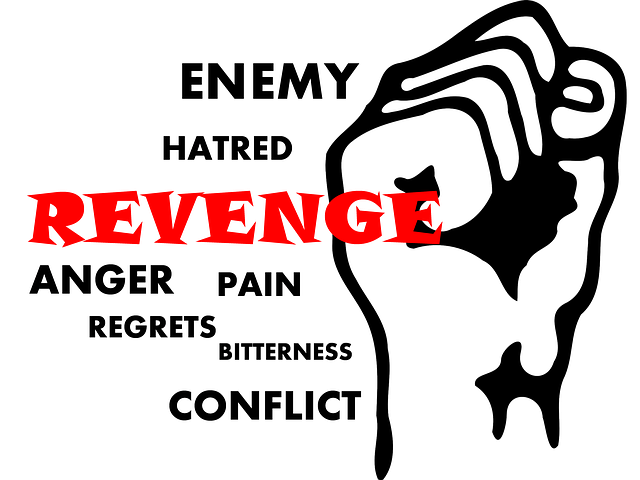
When was the last time you heard or read a news story about a current political issue that didn’t mention heated opposition – opposition that was fierce and vengeful – opposition that was more personal than philosophical – opposition that spewed revenge rather than reconciliation?

And it’s not only infected our politicians. Most everyday crimes are committed as acts of revenge, relationships are fractured because of desire for revenge, workplaces are shattered by former employees for the sake of revenge, reputations are destroyed because of revenge. People go after one another to put other people in their place, to knock them down and “get even.”

Many are pleading “Let’s end it!” But to no avail. It falls on deaf or plugged ears, bumps up against hard, hate-filled hearts. It becomes easy to throw up our hands in despair and put all our energy into bemoaning the current state of affairs, or even to just give up and accept that “It’s just the way it is.”

But there is another alternative. We can choose God’s way.
In my book A Nation Under God – Reflections from Jeremiah (2) there is a chapter on godly leadership. Here’s a small portion.

“First, a godly leader has a dedication to the principle of righteousness. “This is what the Lord says: Do what is just and right.” (Jeremiah 22:3) As Proverbs puts it, “Kings detest wrongdoing, for a throne is established through righteousness.” (Proverbs 16:12) Godly leaders have a heart for God and His ways. They value and pursue righteousness so they choose daily to cooperate with God. Consider David. King Saul was unjustly pursuing David. Twice David had opportunity to capture and kill King Saul – and who could blame him? But David knew that doing so was not right by God’s standards so he refused to do so. He knew he was accountable to God. Leaders of nations are ultimately accountable not to the electorate, the lobbyists, or the campaign contributors, but to God. A. W. Tozer stated, “… there can be no tolerance of evil, no laughing off the things that God hates.” (3)

The prophet Daniel well illustrates the principle – he was told to eat what the king served but “Daniel resolved not to defile himself with the royal food and wine, and asked the chief official for permission not to defile himself this way.” (Daniel1:8) Godly leaders must act on godly principles. When godly principles cease to matter then religion, truth, honesty, and integrity cease and begin to disappear.”

No wonder Paul wrote “If you keep on biting and devouring each other…you will be destroyed by each other.” (Galatians 5:15) As we are now seeing, when these things disappear the avalanche occurs. Certainly godly leaders are an important part of the road to recovery. But more important than even godly leaders is you and me. We, too, need to be godly. We need to make a difference in our spheres of influence, whether big or small. The Bible is clear and emphatic in telling us how to do so. Here’s just a partial list.

1. “…Be at peace with each other.” (Mark 9:50)
2. “…Wash one another’s feet.” (John 13:14)
3. “…Love one another…” (John 13:34,35 & 15:12,17; Romans 13:8)
4. “Be devoted to one another in brotherly love…” (Romans 12:10)

5. “…Honor one another above yourselves. (Romans 12:10)


6. “Live in harmony with one another…” (Romans 12:16)
7. “…Stop passing judgment on one another.” (Romans 14:13)
8. “Accept one another, then, just as Christ accepted you…” (Romans 15:7)9. Let us not become conceited, provoking and envying each other.” (Galatians 5:26)
10. “Carry each other’s burdens…” (Galatians 6:2)
11. “…Be patient, bearing with one another in love.” (Ephesians 4:2)
12. “Be kind and compassionate to one another…” (Ephesians 4:32)
13. “…Forgiving each other just as in Christ God forgave you…” (Ephesians 4:32)
14. “…In humility consider others better than yourselves.” (Philippians 2:3)
15. “…Pray for each other.” (James 5:16)

Sounds wonderful, but admittedly it’s hard to live this way. But Paul tells us how. “Submit to one another out of reverence for Christ.” (Ephesians 5:21) ‘Out of reverence for Christ’ because “To the vilest and most deadly charges Jesus responded with deep, unbroken silence, such as excited the wonder of the judge and the spectators. To the grossest insults, the most violent ill-treatment and mockery that might well bring indignation into the feeblest heart, He responded with voiceless complacent calmness. Those who are unjustly accused, and causelessly ill-treated know what tremendous strength is necessary to keep silence to God.” (4) And that strength comes from Jesus.
So let’s end it! Starting right now! With me! With you! ‘Out of reverence for Christ.’ (5)

(1) Photo by Krzysztof Kowalik on Unsplash
(2)A Nation Under God – Reflections from Jeremiah, Rev. Curry Pikkaart, © 2018 Rev. Curry Pikkaart, Amazon, p. 49
(3) Tozer – Quoted by J. Oswald Sanders in Spiritual Leadership, Chapter 10- https://onegriphigher.com/books-im-reading/spiritual-leadership-oswald-j-sanders/
(4) Streams in the Desert, Mrs. Charles Cowman – February 10
(5) From Graphic Stock

When the Judge’s Son Goes to Court

In recent months I’ve been thinking and studying about judgment – wondering if God is in the process of carrying out judgment in our midst. While doing so, I recalled an incident in my life from many years ago.

As a teenager, not long after receiving my driver’s license, I drove through a red light. Since I was right by the police station there were 2 officers in police cruisers on hand to witness my action – one of which instantaneously pulled me over. He was very nice – even as he ticketed me. But here’s the rest of the story. My ticket required me to go to juvenile court to face the judge – who just happened to be my father!

Today I boast about it – not because he let me off the hook, but because he practiced what God required. **


My father acted in steadfast love. He didn’t beat me down, or throw me out of the house, or scold me. Rather, he loved me enough to treat me fairly, as he would anyone else. He knew the system he used and oversaw was redemptive – it was designed to help people like me get back on track and move ahead more responsibly and safely. In doing so, he acted justly – I had broken the law and there was a judgment to be rendered, a penalty to be enforced, a price to be paid. I received the same assignment most other first time teen offenders received. (I was told to write a 250 word essay on the responsibilities of a teenage driver. This standard ‘punishment’ showed steadfast love to all who walked through those court doors in similar situations.) And my father demonstrated righteousness. He did what was right, what the law demanded. He recused himself from handling my case and turned it over to a colleague. No one could say I received preferential treatment. Only now, so many years later, have I recognized the true source and motivation behind my father’s actions and attitude. He understood God.

For God JUDGES WITH STEADFAST LOVE, JUSTICE AND RIGHTEOUSNESS.

• God judges with steadfast love. Steadfast love – kindness – is the driving force and underlying characteristic of all God’s actions. Psalm 136 is one long boast about God’s steadfast love. Twenty-six times God’s people utter this refrain: “His steadfast love endures forever.”

• God judges with justice – He is a God of justice. “I am going to bring a disaster on this place that will make the ears of everyone who hears it tingle. For they have forsaken me and made this a place of foreign gods…” (Jeremiah 19:3-4) He condemns the wicked. He vindicates the righteous. He will bring every deed to judgment, whether open or secret. It is true, God is slow to anger. Yet he will not leave the guilty unpunished. He is known for his justice: “The Lord is known by his acts of justice; the wicked are ensnared by the work of their hands.” (Psalm 9:16) He loves justice. “For the Lord … loves justice; the upright will see his face.” (Psalm 11:7) He gives justice to all the oppressed: “The Lord judges in favor of the oppressed and gives them their rights.” (Psalm 103:6 GNT).

• God judges with righteousness. He does what is right, what the law demands. “In those days and at that time I will make a righteous Branch sprout from David’s line; he will do what is just and right in the land. In those days Judah will be saved and Jerusalem will live in safety. This is the name by which it will be called: The Lord is our Righteousness.” (Jeremiah 33:15-16)

So to boast about steadfast love, justice, and righteousness is to boast about the lavish gift of God’s Son, Jesus Christ. “God so loved the world that he gave his one and only Son, that whoever believes in him shall not perish but have eternal life.” (John 3:16) “This is how we know what love is: Jesus Christ laid down his life for us.” (1 John 3:16).

No wonder the Psalmist concludes Psalm 2, “Blessed are all who take refuge in him.”

“O God of earth and altar,
Bow down and hear our cry;
Our earthly rulers falter,
Our people drift and die;’
The walls of gold entomb us,
The swords of scorn divide,
Take not thy thunder from us,
But take away our pride.” ***

*This blog is an excerpt from Pastor Curry’s book A Nation Under God. (Still under construction)
**Picture from https://ref.ly/logos4/MediaTool;FormatId=1920;MediaItemId=191357-4410652–;ViewMode=Edit                                                                         ***G. K. Chesterton